
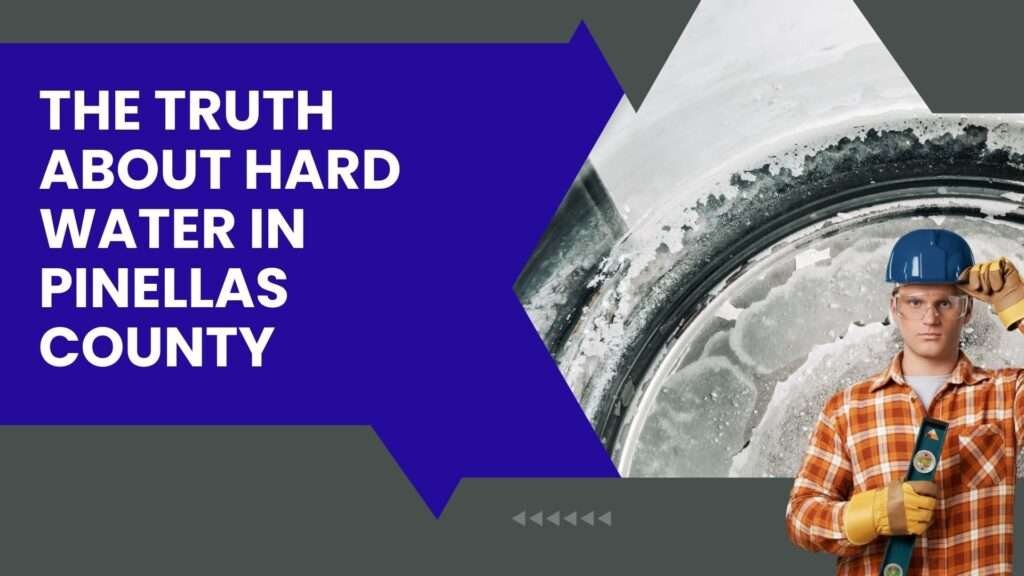
The Truth About Hard Water in Pinellas County
Hard water is one of the most common — and misunderstood — plumbing issues facing Pinellas County homeowners. While it may seem harmless at first, hard water can quietly damage your plumbing system, reduce appliance efficiency, increase utility bills, and even impact your home’s comfort and appearance. In this in-depth guide, we’ll break down what hard water really is, why it’s such a serious concern in Pinellas County, how it affects your home, and the most effective solutions available today. We’ll also explain how hard water ties directly into general plumbing, water heaters, water conditioning, bathroom remodeling, and kitchen remodeling projects. What Is Hard Water, Really? Hard water contains high concentrations of dissolved minerals — primarily calcium and magnesium. These minerals are picked up as water travels through limestone and mineral-rich soil, which is common throughout Florida, including Pinellas County. While hard water is not a health risk to drink, it is highly problematic for plumbing systems, fixtures, and water-using appliances. Why Hard Water Is a Major Issue in Pinellas County Pinellas County’s groundwater supply is especially prone to hardness due to the region’s geology. As a result, many homes experience: Over time, untreated hard water can cause extensive damage that often goes unnoticed until costly repairs are required. How Hard Water Damages Your Plumbing System 1. Scale Buildup Inside Pipes Minerals in hard water form scale deposits that cling to the interior walls of pipes. This buildup narrows pipe diameter, restricting flow and forcing your plumbing system to work harder. A professional general plumbing inspection often reveals scale buildup as a root cause of low pressure and recurring plumbing issues. 2. Reduced Water Heater Efficiency Water heaters are especially vulnerable to hard water. Minerals settle at the bottom of the tank, creating a thick layer of sediment that insulates the heating element. This causes: Without intervention, hard water significantly shortens the lifespan of systems serviced through water-heaters solutions. 3. Damage to Fixtures and Appliances Hard water leaves behind chalky white residue on faucets, showerheads, and sinks. Over time, this buildup can clog aerators, stain surfaces, and damage internal components. These issues often become apparent during bathroom remodeling and kitchen remodeling projects, when old fixtures are removed and scale damage is revealed. The Hidden Costs of Hard Water Hard water doesn’t just damage plumbing — it quietly increases household expenses. Higher Energy Bills Mineral buildup forces water heaters to use more energy to heat the same amount of water. Increased Repair Costs Pipes, valves, and appliances fail faster when exposed to scale. More Cleaning Products Soap reacts poorly with hard water, requiring more detergent and harsher chemicals to achieve the same results. Over time, these costs often exceed the price of installing a proper water-conditioning system. How Hard Water Affects Kitchens in Pinellas Homes Kitchens are heavily impacted by hard water due to constant use. Common kitchen-related issues include: When homeowners invest in kitchen remodeling, addressing hard water at the same time ensures new fixtures and appliances last longer and perform better. Hard Water and Bathroom Wear and Tear Bathrooms often show the most visible signs of hard water damage. Common Bathroom Problems Integrating water quality solutions into bathroom remodeling protects new finishes and reduces long-term maintenance. Why Water Conditioning Is the Best Solution The most effective way to combat hard water is a whole-home water-conditioning system. Benefits of Water Conditioning Unlike temporary fixes, water conditioning addresses the problem at its source. How Water Conditioning Supports Energy Efficiency Hard water forces appliances and plumbing systems to work harder, increasing energy usage. By pairing water-conditioning with efficient water-heaters, Pinellas County homeowners can: This combination is one of the most impactful upgrades for long-term efficiency. When Should Pinellas Homeowners Address Hard Water? The best time to address hard water is before major plumbing issues occur. Ideal opportunities include: Proactive solutions are always more cost-effective than reactive repairs. Signs Your Home Has a Hard Water Problem Not sure if hard water is affecting your home? Common warning signs include: A general plumbing evaluation can confirm the severity and recommend solutions. Hard Water and Home Value in Pinellas County Modern buyers are increasingly aware of water quality issues. Homes with updated plumbing and water conditioning systems offer: Addressing hard water is an investment in both comfort and property value. Common Mistakes Homeowners Make About Hard Water Many Pinellas homeowners mistakenly believe: Without proper water-conditioning, these approaches only treat symptoms — not the root cause. Building a Long-Term Hard Water Solution The most effective strategy combines: This integrated approach protects your entire plumbing system and ensures consistent performance. Final Thoughts: Understanding the Truth About Hard Water Hard water is one of the most damaging yet overlooked issues affecting Pinellas County homes. While it may not pose immediate health risks, its long-term impact on plumbing systems, energy efficiency, and household costs is significant. By investing in professional general plumbing services, upgrading water heaters, and installing reliable water-conditioning systems, homeowners can eliminate hard water problems at the source. Whether you’re planning a remodel or simply want to protect your home, understanding and addressing hard water is essential to maintaining a comfortable, efficient, and durable Pinellas County home.